Minimum wage in the EU and Hungary
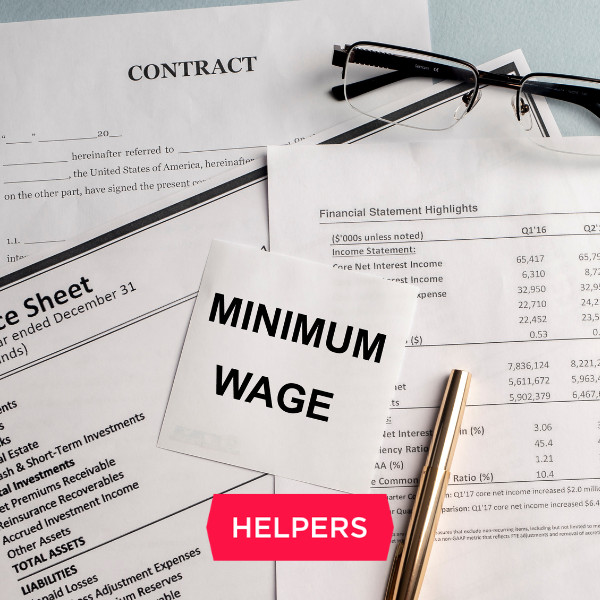
In the European Union, most countries have a minimum wage. Each state determines their own minimum wage, and they adjust it regularly to maintain it as a living wage that provides a decent standard of living for full-time workers. A minimum wage can also increase productivity and motivate efficient business operation. Hungary has a minimum wage too; it is applied to everyone without exceptions and adjusted yearly.
In the European Union, most countries have a minimum wage. Each state determines their own minimum wage, and they adjust it regularly to maintain it as a living wage that provides a decent standard of living for full-time workers. A minimum wage can also increase productivity and motivate efficient business operation. Hungary has a minimum wage too; it is applied to everyone without exceptions and adjusted yearly.
Minimum wage as a tool to boost the economy
A minimum wage is the lowest remuneration employers can legally pay their employees. Different opinions exist about its benefits and drawbacks, but in Europe, it is generally viewed as a tool that can reduce social inequalities while increasing productivity. The most common argument against a minimum wage is that it can reduce jobs; experience shows, however, that while the introduction of a minimum wage can wipe out some jobs and businesses, the market will recreate those if they are necessary, while the minimum wage will increase living standards for all. It will create more equal opportunities for career entrants and disadvantaged groups, and decrease both payment gaps and the number of people leaving less lucrative careers or their home countries. A decent minimum wage creates more purchase power, more demand, more room for new business, and more government income from taxes. It will also produce more satisfied workers and increase productivity through them.
Minimum wage in the EU
In the European Union, most member states have a statutory minimum wage, meaning that the minimum wage in the EU is set (and regularly adjusted) by the state. In Austria, Denmark, Finland, Italy, and Sweden, minimum wages are regulated through other means, mostly through collective bargaining.
The current directive on minimum wage in the EU is fairly new: it was issued only in 2022. It is quite lax, and it confirms the rights of member states in determining minimum wages. At the same time, it sets some standards for doing so.
- Minimum wage should provide a decent standard of living for workers based on a full-time employment relationship, which, in addition to material necessities such as food, clothing and housing, should cover participation in cultural, educational and social activities.
- It is suggested that when determining minimum wages, member states consider national socioeconomic conditions including employment growth, competitiveness and regional and sectoral developments, as well as purchasing power, long-term national productivity levels and developments, wage levels, wage distribution, and wage growth.
- Recommended benchmarks for determining national minimum wages include 60 % of the gross median wage or 50 % of the gross average wage, and a comparison to the local poverty threshold.
- Workers should have easy access to comprehensive information on statutory minimum wages.
- In-work poverty is to be prevented – meaning that any person working a full-time job should live above the poverty line.
Additionally, member states are expected to encourage organizations of collective bargaining to give employees stronger tools for better representation. In countries where less than 80% of the workers are covered by collective bargaining, action plans should be established that would increase those rates.
Minimum wage in Hungary
In Hungary, the concept of a minimum wage was first introduced in 1989, and the first minimum wage came into force in 1992. It was HUF 8,000, which was around 36% of the gross average income that time. Throughout the years, Hungarian minimum wage remained around 30-40% of the gross average income, although it was never tied to it.
Between 1992 and 2011, minimum wage was determined by a national commission of collective bargaining, made up of representatives of employers, employees, and the government: the National Council for the Reconciliation of Interests (Országos Érdekegyeztető Tanács, OÉT). Since 2011, this has been replaced by the National Economic and Social Council of Hungary (Nemzeti Gazdasági és Társadalmi Tanács, NGTT); however, this can only make recommendations, and the government has the final word.
Since 2006, there are two types of minimum wage in Hungary. “Real” minimum wage is meant for jobs that do not require any specific skills or qualifications, not even a high school diploma. At the same time the guaranteed minimum salary is meant for positions that do require at least a high-school diploma, and over the last 10 years, it was typically around 120-130% of the minimum wage. There have been talks about merging the two types of minimum wage since 2020, but this is still being disputed. As such, they will remain in place for the foreseeable future.
Minimum wage is mandatory for everyone working in employment in Hungary, regardless of age, gender, or any other demographic factor. Minimum wage is determined as a gross monthly wage for full-time employment (40 hours a week), although official minimums are also set of weekly, daily, and hourly wages too. Since it is a gross amount, employees pay taxes on it – although between 2002 and 2008, minimum wage was exempt from personal income tax. Of course, tax benefits apply to the minimum wage as well.
The minimum wage is also used as a calculation basis of various allowances and taxes, such as the cap on sick leave allowance, child-care allowance, unemployment benefits, the yearly social security contribution (relevant for taxes after dividends), or tax exemption for flat-rate taxpayers.
If you have employees on minimum wage, you will need to raise their salary every time the minimum wage increases so you will remain compliant with local regulations. This will also require a modification to existing labor contracts.
About Helpers Finance
Helpers Finance provides not only accountancy but also payroll and HR compliance services to small and medium-sized businesses in Hungary. We can take care of relevant administration and reporting, including contract modification whenever necessary. You can also consult our experts before making a new hire to see how much it will cost your Hungarian business.


Contact
Get in touch today

Monday - Friday
9am - 5pm CET
Helpers Finance Kft.
Budapart Gate
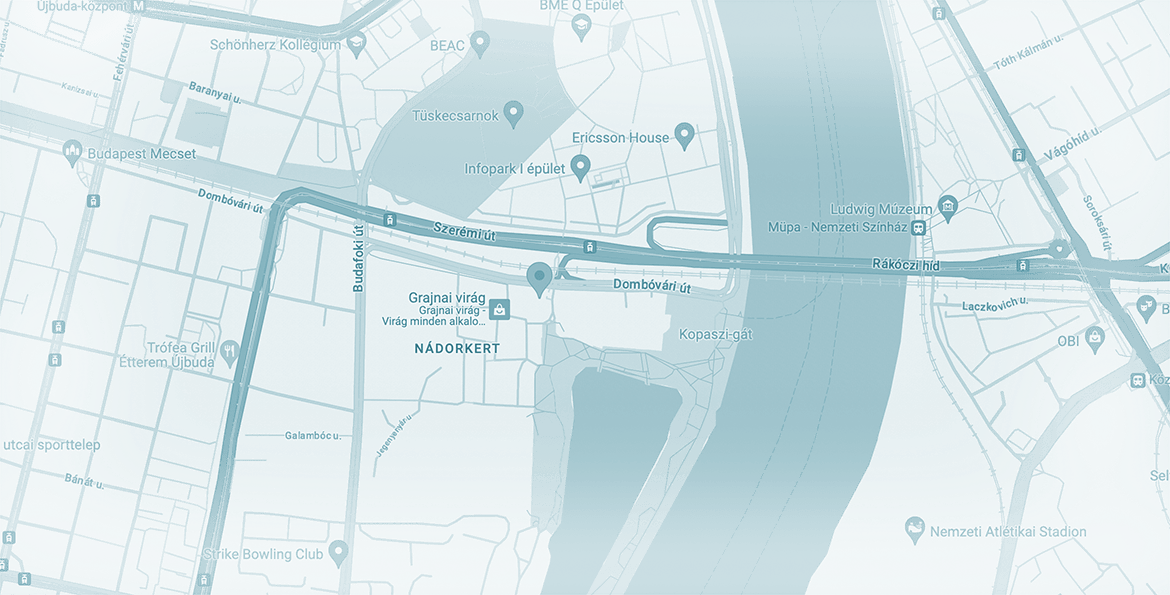
Dombóvári út 27
Budapest 1117, Hungary
If you’re visiting us, please use entrance A and come to the 2nd floor.