
KIVA in 2026: updates to the small business tax in Hungary
Starting from next year, KIVA will allow even more small and mid-sized businesses to save on taxes. Read on to learn about changes to the KIVA tax regime and get an overview of how choosing the Small Business Tax can help you optimize the operational costs at your Hungarian company.
Starting from next year, KIVA will allow even more small and mid-sized businesses to save on taxes. Read on to learn about changes to the KIVA tax regime and get an overview of how choosing the Small Business Tax can help you optimize the operational costs at your Hungarian company.
KIVA in a nutshell
KIVA is the Hungarian abbreviation for Small Business Tax (“Kisvállalati Adó”). It offers an alternative to the regular corporate tax regime (TAO) to small and medium-sized companies where costs are typically related to salaries of the employees. As such, KIVA is best for businesses that sell mostly services, or which are in a phase of growth or investment.
Changes to KIVA in 2026
Starting from 2026, both entry and maintenance thresholds are raised for KIVA, making it available to more businesses. KIVA changes are relevant to ca. 5,000 companies and 150,000 employees.
Entry criteria:
- Balance sheet total and yearly revenue before application increased from HUF 3 billion to HUF 6 billion.
- Maximum number of employees before application increased from 50 people to 100 people.
Maintenance criteria:
- Balance sheet total and yearly revenue: a company may keep using KIVA until these figures remain under HUF 12 billion.
- Maximum number of employees: a company may keep using KIVA until the number of employees remains below 200 people.
KIVA criteria that remain the same
Please also note that KIVA consolidates affiliated undertakings. Click here to learn which companies are considered affiliated and what consolidation means.
KIVA can be chosen for the following year only if the company does not have a tax debt larger than HUF 1 million (ca. EUR 2,500). This includes debts that will become overdue by the end of the month. Consult your accountant about checking your tax balance. If you have considerable debt, you can apply for a reprieve to maintain your eligibility for KIVA.
Leaving the regime is only possible at the end of the fiscal year. However, enterprises whose total yearly revenue exceeds the thresholds are removed immediately. Being under liquidation or forced strike-off will also lead to the immediate termination of your KIVA status, while in this latter case, your VAT number will be deleted as well.
KIVA calculation: a tax for salary heavy businesses
Calculating the KIVA tax is completely different from regular taxation (which includes TAO, the regular corporate tax regime). Calculation methods remain the same as before:
Regular taxation, TAO
- You pay a 9% corporate tax based on your profits. The profit is calculated by deducting your various expenses from your revenue. Whether a payment is deductible is heavily regulated.
- If your business pays corporate tax according to TAO, you will also need to pay social contribution tax after every employee (13% of their gross salary)
KIVA
Instead of paying the above taxes, a KIVA business will pay the KIVA tax, which is just 10% of the following items:
- personnel related expenses (that usually means the gross salary of employees)
- the dividend owners take
- the balance of capital changes
As a result, KIVA is best for companies where most of the expenses are made up of salaries. This is most relevant to companies planning major investments or offer services, typically in industries where employees create high added value, such as IT, healthcare, business counselling, accountancy, legal advisory.
However, before choosing KIVA, it is essential to consider whether the company is eligible for tax benefits available only under TAO. For example, KIVA does not allow for reclaiming vocational training levy (1.5% of the gross salary, currently handled as an ingredient of the social contribution tax). Therefore, the KIVA tax is not suitable for small businesses offering training programs, as they may profit more from reclaiming vocational training levy.
At the same time, KIVA can also offer savings on HIPA (the local business tax). While HIPA is normally calculated based on the net revenues, KIVA subjects may decide to use 120% of their KIVA tax base as the basis for calculating HIPA instead. This is true for determining HIPA both in the regular and in the tier system.
Register for KIVA for 2026 now
The KIVA tax can be first applied starting from the first day of the month following registration. When you apply for KIVA, entering the new tax regime starts a new fiscal year for your business. As a result, it makes sense to choose KIVA starting from 1 January. If the new regulations make KIVA an attractive option for your business, contact your accountant as soon as possible and register before December 31. You can also use our calculator to see whether KIVA or TAO is better for your business.
The registration can be revoked for 30 days. This means that you can safely register for KIVA in December even if this period is too busy for your business to make detailed calculations. You can leave that to January. If it turns out that KIVA is not in fact beneficial for your Hungarian company, you can revoke your registration within 30 days of the application.
Summary: the main benefits of KIVA
In line with the above, KIVA is best for small and medium-sized businesses which have high revenues from high-value-added activities, incur most of their costs from paying salaries, and pay relatively small dividends. The main benefits of paying the KIVA tax instead of TAO include:
- Saving on costs related to personnel
- Possibility to pay less local business tax
- Unpaid dividend is not subject to taxes
- Tax base is reduced if profit is re-invested
About Helpers Finance
Helpers Finance offers accounting, bookkeeping, payroll and HR compliance services to small and mid-sized businesses in Hungary. This naturally includes working with both TAO and KIVA subjects, so our expert colleagues TAO and KIVA changes to let our clients’ Hungarian operation remain compliant. We focus on supporting international clients and foreign business owners, help them navigate Hungarian bureaucracy, and let them concentrate on what they do best: making their business a success.



Contact
Get in touch today

Monday - Friday
9am - 5pm CET
Helpers Finance Kft.
Budapart Gate
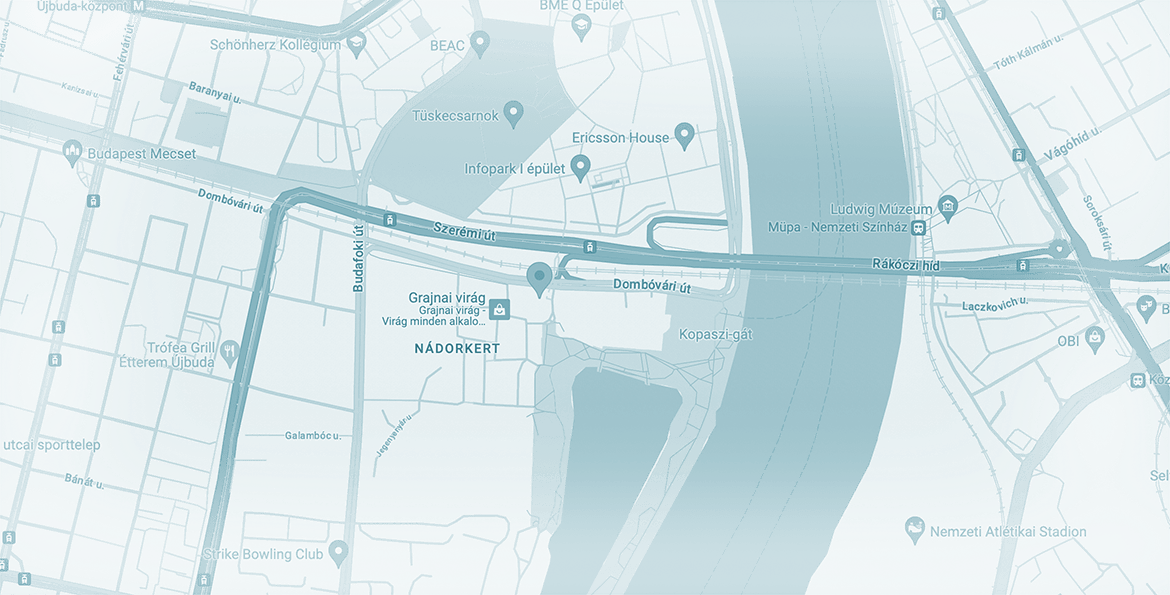
Dombóvári út 27
Budapest 1117, Hungary
If you’re visiting us, please use entrance A and come to the 2nd floor.