
Global minimum tax 2025: Hungary is a Safe Harbour
Thanks to the recent update of Hungarian tax laws in compliance with the global minimum tax expectations of the OECD, Hungary has been granted the temporary QDMTT Safe Harbour status. This is good news for multinational companies operating in Hungary, as both their tax and administrative burdens lighten.
Thanks to the recent update of Hungarian tax laws in compliance with the global minimum tax expectations of the OECD, Hungary has been granted the temporary QDMTT Safe Harbour status. This is good news for multinational companies operating in Hungary, as both their tax and administrative burdens lighten.
Global minimum tax
The introduction of the global minimum tax is Pillar 2 of the BEPS 2.0 initiative. The Base Erosion and Profit Shifting initiative is how the OECD would combat tax evasion by multinational corporations that often move their bases to tax havens in order to avoid paying taxes.
In line with this, the global minimum tax applies only to enterprise groups with an annual revenue above EUR 750 million. The goal is to have these companies pay at least 15% of their profits as taxes, wherever their seat is.
Since Hungary is a member of the OECD, it has adopted rules to meet this requirement. Starting from 2025, Hungarian subsidiaries or affiliates of such enterprise groups are required to report their status to the Hungarian Tax Authority, alongside additional data about the group. This can be done through ONYA, the online form manager for taxes (look for the “GLOBE” form). Additionally, group members will be required to calculate a top-up advance tax and pay it by 20 November every year.
Benefits of being a QDMTT Safe Harbour
While the Hungarian corporate tax stays 9%, Hungarian subsidiaries or affiliates of affected corporations are required to pay an extra tax that tops up their corporate tax to 15% of their profits. This is in line with OECD requirements, which make this regulation a its Qualified Domestic Minimum Top-up Tax (QDMTT), based on which Hungary has been granted a QDMTT Safe Harbour status.
The Safe Harbour status in turn is highly beneficial to Hungarian corporations and their local affiliates. Most importantly, since the top-up tax is collected at the source, other countries cannot include Hungarian affiliates when making calculations regarding the global minimum tax to be paid by the group. This lightens both the group’s administrative and tax burdens.
As of January 15, 2025, the following countries have been deemed QDMTT Safe Harbours:
- Australia
- Austria
- Belgium
- Bulgaria
- Canada
- Croatia
- Czechia
- Denmark
- Finland
- France
- Germany
- Greece
- Hungary
- Ireland
- Italy
- Japan
- Korea
- Liechtenstein
- Luxembourg
- Netherlands
- Norway
- Romania
- Slovenia
- Sweden
- Türkiye
- United Kingdom
- Viet Nam
Corporate tax in Hungary
Hungary complies with OECD requirements through the introduction of a QDMTT for big corporations, while small and medium-sized businesses can continue to take advantage of the local 9% corporate tax (or, in specific cases, of KIVA, the small business tax). At the same time, the QDMTT Safe Harbour status of Hungary offers benefits to big corporations too.
Helpers Finance specializes in working with small and medium-sized businesses, and especially with foreign owners who need additional guidance to navigate Hungarian regulations and maintain compliance. Our accounting, bookkeeping, payroll and HR support services are meant to provide customized solutions to a variety of business needs.
Was this article useful? Follow us on Facebook and never miss an update.



Contact
Get in touch today

Monday - Friday
9am - 5pm CET
Helpers Finance Kft.
Budapart Gate
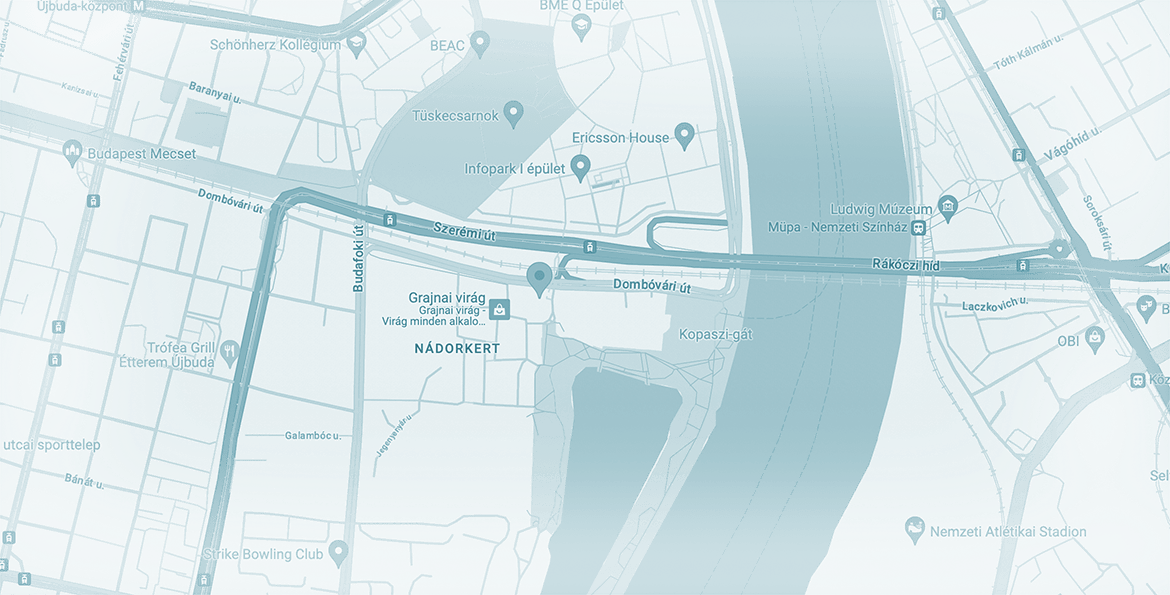
Dombóvári út 27
Budapest 1117, Hungary
If you’re visiting us, please use entrance A and come to the 2nd floor.